Juan de Villanueva: The Architectural Luminary of 18th Century Spain

Juan de Villanueva: The Architectural Luminary of 18th Century Spain

Juan de Villanueva, a pioneering figure of 18th-century Spanish architecture, played an instrumental role in shaping the nation’s architectural landscape during the Enlightenment era. Renowned for introducing the Neoclassical style to Spain, his iconic designs, including the Prado Museum and the Astronomical Observatory in Madrid, not only showcased his distinctive artistic vision but also embodied the intellectual and cultural spirit of the time. His enduring legacy, deeply rooted in the principles of the Enlightenment and his commitment to art and science, continues to influence Spanish architecture and culture.
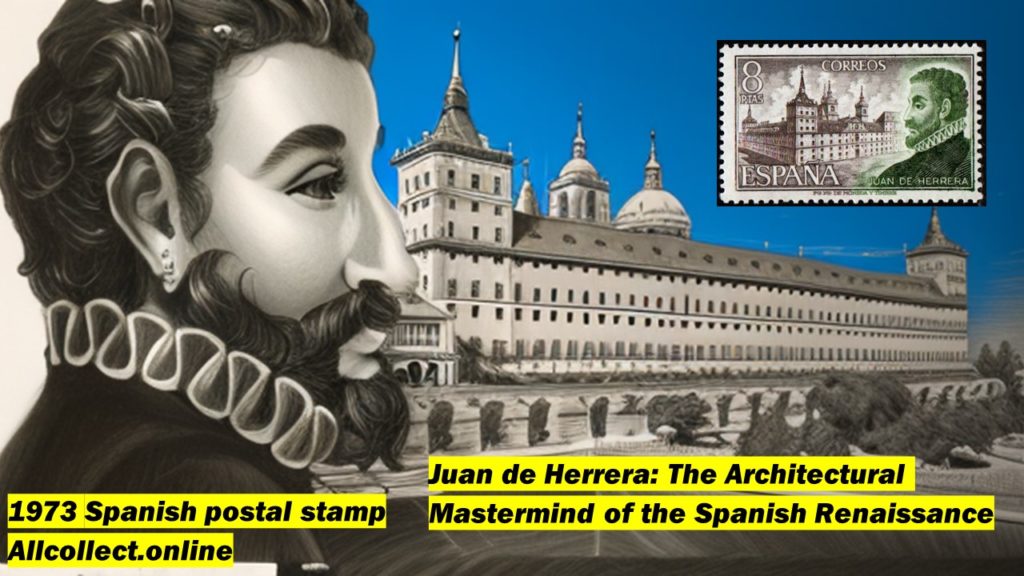
Juan de Herrera: The Architectural Mastermind of the Spanish Renaissance

Juan de Herrera: The Architectural Mastermind of the Spanish Renaissance

Juan de Herrera (1530-1597) was a pivotal figure of the Spanish Renaissance, renowned for pioneering the Herrerian architectural style characterized by its geometric rigor and stark simplicity. His magnum opus, the El Escorial monastery near Madrid, exemplifies this style and stands as a testament to both his architectural prowess and the ambitions of King Philip II of Spain. Under King Philip’s patronage, the Herrerian style, emphasizing purity and order, became emblematic of Spain’s Counter-Reformation ideals and the nation’s imperial and religious aspirations during a transformative period in its history.

The Veruela Monastery

The Veruela Monastery: Spain’s Architectural and Literary Landmark

In 1967, Spain celebrated its monastic heritage by featuring the 12th-century Veruela Monastery in a series of postage stamps. Located in Zaragoza, Aragón, the monastery is a prime example of Cistercian architecture, melding Romanesque, Gothic, and Renaissance styles. Beyond its architectural significance, it’s renowned for its literary connection to the Bécquer brothers. Gustavo Adolfo Bécquer, a prominent Spanish Romantic poet, drew inspiration from his stay there, penning his notable “Letters from my Cell.” The monastery stands as a testament to Spain’s rich cultural and historical tapestry.

Rubén Darío: The Luminous Star of Spanish Literature and Diplomacy

Rubén Darío: The Luminous Star of Spanish Literature and Diplomacy

Rubén Darío’s legacy is not confined to his poetic masterpieces. His life, marked by literary brilliance, personal challenges, diplomatic endeavors, and cultural exchanges, stands as a testament to a man who, in every sense, was larger than life. Through his verses, prose, and diplomatic engagements, Darío has left an indelible mark on literature, diplomacy, and cultural discourse, making him an eternal luminary in the annals of history.

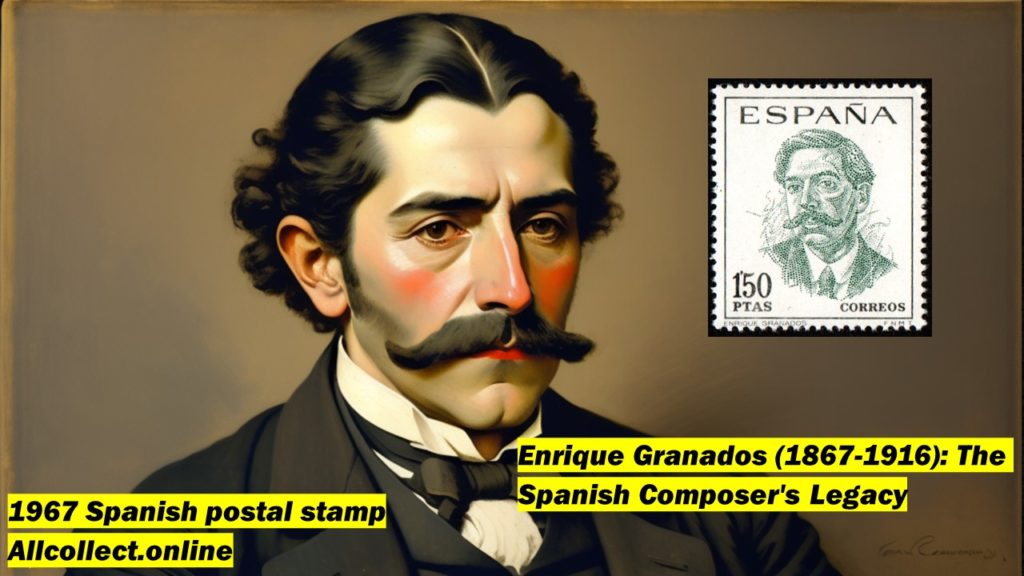
Enrique Granados: The Spanish Composer’s Legacy

StampScape: a new video about Enrique Granados

Dive into the world of Enrique Granados, a pivotal figure in Spanish Romantic music, with @StampScape. This episode unveils the life and legacy of Granados, beautifully encapsulated on a Spanish postage stamp. From his passion for music and naval aspirations to his profound influence on Spanish culture, journey with us as we explore the tale of Granados’ passion, tragedy, and enduring legacy, all through the miniature art of a stamp.

Enrique Granados: The Spanish Composer's Legacy

Enrique Granados: The Spanish Composer’s Legacy

Born on July 27, 1867, in Lleida, Catalonia, Enrique Granados stands as a crucial figure in the realm of Spanish Romantic music. His life, marked by significant accomplishments and contributions, provides a comprehensive understanding of his influence on Spanish musical heritage. Granados began his musical journey in Barcelona, a city known for its rich cultural …

Enrique Granados: The Spanish Composer’s Legacy Read More »

Shopping Cart